
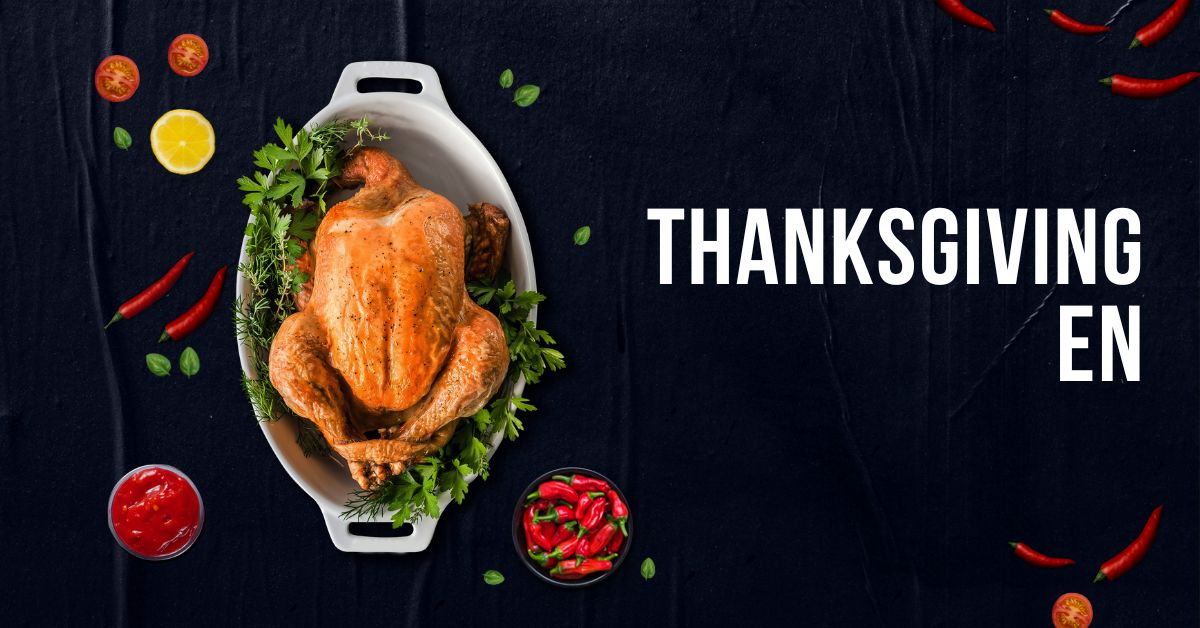
Thanksgiving stands as one of the most cherished and meaningful celebrations in the United States and beyond. When people search for “Thanksgiving en,” they usually want an English-language explanation of what the holiday is, why it is celebrated, and how it has evolved into a tradition centered on gratitude, family, food, and cultural unity. Thanksgiving is much more than just a holiday; it is a heartfelt reminder of appreciation, togetherness, and reflection. Although its origins date back centuries, its modern meaning continues to grow, blending traditional customs with new and diverse ways of celebrating. This article explores the essence of Thanksgiving, its history, cultural importance, traditions, and how people worldwide honor this beloved holiday. Additionally, it provides insights into food traditions, modern celebrations, gratitude practices, and how Thanksgiving still plays an essential role in society today.
The Meaning of Thanksgiving
Thanksgiving represents a day dedicated to gratitude, appreciation, and reflection. At its core, it serves as a reminder to pause and acknowledge the blessings we often overlook in daily life. While the holiday originates from harvest festivals and expressions of thanks for survival, its modern meaning includes valuing relationships, accomplishments, health, and the gift of life itself. People celebrate Thanksgiving not just for historical reasons but also because it brings family and friends together in a way that few other holidays do. The spirit of Thanksgiving encourages kindness, generosity, and unity, making it a deeply emotional and purposeful day.
The History Behind Thanksgiving
The origins of Thanksgiving can be traced back to the early 1600s, when the Pilgrims arrived in North America seeking religious freedom. After facing harsh conditions, illness, and food shortages, they survived their first year with the help of Indigenous people, particularly the Wampanoag tribe. In 1621, a harvest feast was held to thank them and celebrate survival. Although this event differed from today’s Thanksgiving, it laid the foundation for the holiday. Over time, presidents and states issued various thanksgiving proclamations, but it was Abraham Lincoln who declared it a national holiday in 1863. This decision transformed Thanksgiving into a yearly celebration of gratitude and unity across the nation.
Why Thanksgiving Is Important Today
Thanksgiving remains relevant because it encourages appreciation in a fast-paced world where many people often focus on what they lack rather than what they have. The holiday teaches the value of togetherness and emphasizes emotional connections as much as festive meals. Families reconnect, friendships strengthen, and communities support one another. In addition, Thanksgiving serves as a moment for collective gratitude, helping people shift perspectives and notice the abundance already present in their lives. The holiday also provides a sense of cultural identity, reminding people of long-standing traditions passed down through generations.
Popular Thanksgiving Traditions
Thanksgiving traditions vary widely across families, regions, and cultures, but several remain central to how people celebrate. The most iconic tradition is the Thanksgiving dinner, usually featuring turkey, stuffing, mashed potatoes, cranberry sauce, and pumpkin pie. Many families watch the annual Macy’s Thanksgiving Day Parade, which includes giant balloons, performances, and holiday cheer. Football games have also become a part of the celebration, offering entertainment for sports fans. Some families volunteer at food banks or shelters, emphasizing the spirit of giving. Despite these shared customs, personal traditions—such as writing gratitude lists or inviting friends without families—continue to shape modern Thanksgiving.
The Role of Gratitude in Thanksgiving
Gratitude stands at the heart of thanksgiving en. It is a powerful practice that improves emotional well-being and strengthens relationships. People take this day to reflect on what they appreciate, whether it’s family support, personal achievements, good health, or simple joys. Gratitude also promotes positivity, helping individuals cope with challenges and see life from a more hopeful perspective. Many people keep journals, express thanks during meals, or engage in meaningful conversations to deepen the holiday’s purpose. By focusing on gratitude, Thanksgiving becomes more than just a meal—it becomes a healing and transformative experience.
Thanksgiving Food Traditions
Food plays a significant role in Thanksgiving celebrations, with families maintaining both classic dishes and personal favorites. Turkey remains the symbol of Thanksgiving feasts, often roasted, baked, or flavored with spices. Stuffing, mashed potatoes, gravy, green bean casserole, and cranberry sauce complete the traditional meal. Desserts like pumpkin pie, pecan pie, and apple pie bring sweet comfort to the table. Some families include cultural dishes, reflecting America’s diversity. Whether simple or elaborate, Thanksgiving meals carry emotional value, with recipes passed down through generations and stories shared over the dinner table.
Modern Thanksgiving Celebrations
thanksgiving en has evolved over time, becoming more inclusive and adaptable to modern lifestyles. Today, families celebrate in different ways, including virtual gatherings, friendsgiving parties, and international celebrations. Friendsgiving, in particular, has become popular among young adults who live away from home. Many people now blend cultural foods, incorporate games, or add digital traditions like video calls. Sustainability also influences modern celebrations, with more people choosing eco-friendly decorations, organic ingredients, and reduced food waste. These evolving customs show how Thanksgiving remains meaningful even as society changes.
The Significance of Family in Thanksgiving
Family plays a central role in Thanksgiving, creating a sense of unity, warmth, and belonging. Many people travel long distances to reunite with loved ones, making Thanksgiving one of the busiest travel times of the year. The holiday encourages emotional bonding through shared meals, conversations, and moments of appreciation. Even families who cannot gather physically find creative ways to connect, such as through video calls or shared online activities. Regardless of the form, the presence of family—whether traditional or chosen—makes Thanksgiving special and memorable.
How Thanksgiving Promotes Kindness and Generosity
One of the most beautiful aspects of thanksgiving en is its emphasis on compassion and giving. Many individuals and communities engage in charity work, volunteer at shelters, or donate food to those in need. Schools, churches, and organizations host food drives and outreach programs to support struggling families. The holiday inspires people to extend kindness beyond their homes, fostering a sense of community and responsibility. This generosity often continues long after Thanksgiving, influencing people to maintain compassionate habits throughout the year.
Thanksgiving Around the World
Although thanksgiving en originated in North America, variations of the holiday exist worldwide. Countries like Canada celebrate Thanksgiving earlier, in October, focusing on harvest and gratitude. Other nations, such as Germany with Erntedankfest, also honor harvest traditions. While each culture has its unique customs, the underlying theme of giving thanks remains universal. Some international communities adopt Thanksgiving celebrations due to cultural exchange, allowing them to experience the joy of gratitude and shared meals. These global versions show that the spirit of Thanksgiving transcends borders.
The Economic Impact of thanksgiving en
Thanksgiving significantly influences the economy through food purchases, travel, decorations, and retail sales. The holiday marks the beginning of the shopping season, especially with events like Black Friday and Cyber Monday. These shopping days boost businesses, attract customers with large discounts, and generate billions in revenue. Grocery stores also see increased sales due to meal preparations. The economic ripple effect demonstrates how deeply Thanksgiving is woven into the financial landscape of the country.
Thanksgiving and Mental Health
The holiday can positively impact mental health by encouraging gratitude, connection, and joy. Spending time with loved ones reduces stress and fosters emotional support. Gratitude practices have also been proven to improve mood and wellbeing. However, for some individuals, Thanksgiving may bring emotional challenges such as loneliness or stress due to family expectations. Practicing self-care, setting boundaries, and creating meaningful solo traditions can help ease these difficulties. Overall, Thanksgiving offers opportunities for emotional healing and personal growth.
thanksgiving en in the Digital Age
Technology has reshaped how people celebrate Thanksgiving. Social media allows individuals to share moments, express gratitude publicly, and connect with distant loved ones. Streaming services offer holiday movies and shows, enhancing entertainment options. Online shopping simplifies holiday preparations and gift purchases. Virtual gatherings help families connect despite physical distance. These digital innovations make Thanksgiving more accessible and adaptable to modern lifestyles.
Keeping the Spirit of Thanksgiving Alive All Year
Although Thanksgiving is celebrated once a year, its spirit of gratitude and kindness can be practiced daily. Families create gratitude rituals, such as weekly reflections or shared appreciation moments. Individuals volunteer regularly, maintain positive thinking, and cultivate meaningful relationships. When gratitude becomes a lifestyle rather than a single-day event, life becomes richer, more peaceful, and more fulfilling.
Conclusion
thanksgiving en remains a beloved and meaningful holiday that inspires gratitude, togetherness, and reflection. Whether celebrated traditionally or with modern twists, it continues to bring warmth and unity to families and communities. The holiday highlights the beauty of appreciating life’s blessings, strengthening emotional bonds, and practicing kindness. By embracing both the historical roots and evolving practices, Thanksgiving remains a treasured tradition that encourages people to pause, reflect, and celebrate what truly matters.
FAQs
What is the main meaning of thanksgiving en?
Thanksgiving celebrates gratitude, togetherness, and appreciation for life’s blessings.
Why do people eat turkey on Thanksgiving?
Turkey became a traditional dish due to its availability and association with early harvest feasts.
What is Friendsgiving?
Friendsgiving is a modern celebration where friends gather for a Thanksgiving-style meal.
Why is thanksgiving en important?
It promotes gratitude, strengthens relationships, and brings families together.
How can people celebrate Thanksgiving alone?
They can create personal traditions like cooking a favorite meal, journaling gratitude, or connecting virtually with loved ones.