
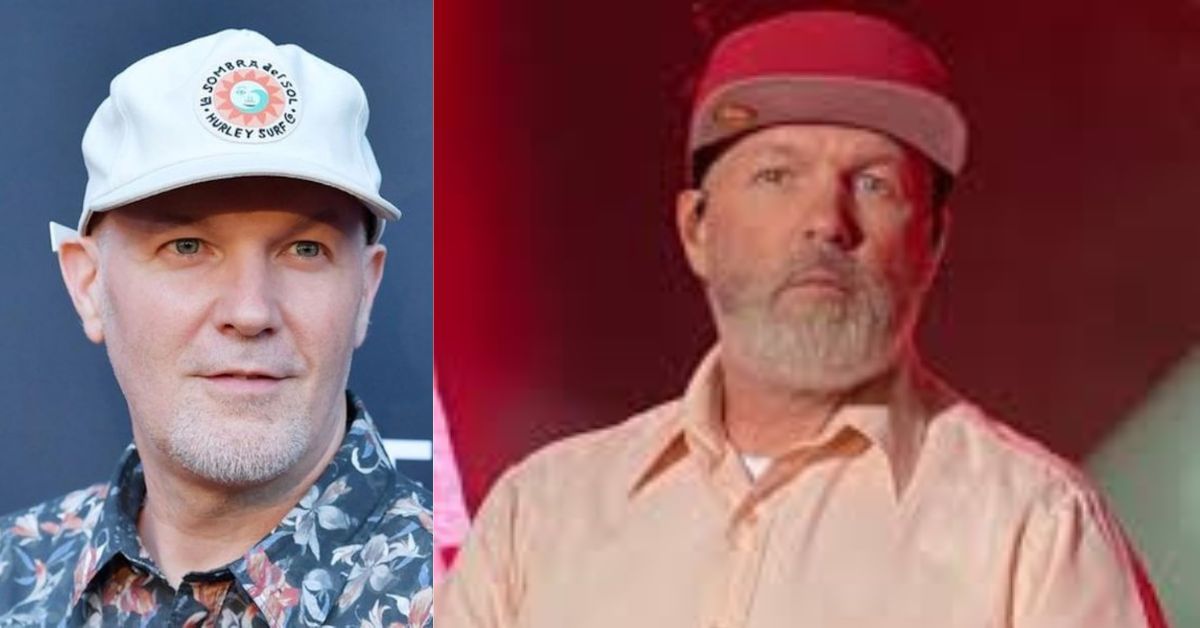
Fred Durst, born Frederick Allen Mayne III on August 20, 1970, in Jacksonville, Florida, is widely recognized as the flamboyant frontman of the nu-metal band Limp Bizkit. Rising to fame in the late 1990s and early 2000s, Durst became an emblem of the rebellious youth culture, mixing rap, rock, and aggressive energy into a signature sound. Beyond music, Durst has also ventured into filmmaking, directing, and acting, making him a multifaceted entertainer whose influence extends far beyond the stage.
Early Life and Influences
Growing up in Jacksonville and later moving to Orlando, Durst’s early life was filled with struggles and formative experiences. He was influenced by punk rock, hip-hop, and alternative music, drawing inspiration from bands like the Beastie Boys, Run-D.M.C., and Korn. His tough upbringing shaped his lyrical style, often reflecting themes of anger, frustration, and defiance that would later resonate with a generation of listeners.
The Formation of Limp Bizkit
Fred Durst co-founded Limp Bizkit in 1994 along with guitarist Wes Borland, bassist Sam Rivers, drummer John Otto, and later DJ Lethal. The band’s unique fusion of rap and heavy metal carved out a niche in the music scene. Durst’s charismatic stage presence and confrontational attitude quickly made him the face of the band, attracting both devoted fans and critics.
Breakthrough Album: “Significant Other”
In 1999, Limp Bizkit released Significant Other, the album that catapulted them into mainstream success. Featuring hits like “Nookie” and “Break Stuff,” the album showcased Durst’s signature vocal style—an aggressive mix of rapping and screaming. The album sold millions worldwide and established Limp Bizkit as a major force in the nu-metal genre.
Musical Style and Signature Sound
Fred Durst’s musical style is characterized by a blend of rap, rock, and metal elements. His vocals often alternate between rhythmic rapping and raw, emotional screams, paired with heavy guitar riffs and DJ-driven beats. This combination created a sound that was both accessible and edgy, appealing to fans of multiple genres. Durst’s lyrics often tackle personal struggles, societal frustrations, and youthful rebellion, making his music both relatable and cathartic.
Stage Presence and Performance Persona
Durst’s stage presence is a crucial part of his identity. Known for his energetic performances, bold gestures, and direct interaction with the audience, he has cultivated an image of a fearless, unapologetic performer. His iconic red baseball cap and aggressive body language became trademarks that fans instantly recognized, contributing to Limp Bizkit’s image as a powerhouse live act.
Controversies and Public Feuds
Fred Durst’s career has not been without controversy. He has been involved in multiple public feuds with other artists, critics, and even political figures. Some controversies stem from onstage behavior, while others relate to provocative interviews and outspoken opinions. These incidents, while sometimes polarizing, have kept Durst in the public eye and fueled media attention for both him and Limp Bizkit.
Impact on Nu-Metal and 2000s Music Culture
Durst’s influence on the nu-metal movement is undeniable. Alongside bands like Korn and Linkin Park, Limp Bizkit helped define the sound of the late 1990s and early 2000s. Their music addressed themes of alienation, aggression, and rebellion, resonating with a generation navigating complex social and personal challenges. Durst’s approach to blending rap and metal created a blueprint that inspired countless bands in the genre.
Directorial Pursuits and Filmmaking
Beyond music, Fred Durst has pursued filmmaking with notable projects such as The Education of Charlie Banks and The Longshots. His work behind the camera showcases a different side of his creativity, focusing on storytelling and character development. While not as commercially recognized as his music career, Durst’s directing has earned him respect within independent film circles.
Collaborations and Side Projects
Durst has collaborated with a wide range of artists across genres, including artists in hip-hop, rock, and even electronic music. These collaborations highlight his versatility as an artist and willingness to experiment beyond Limp Bizkit’s established sound. His ability to adapt to different musical styles has helped him remain relevant despite the changing musical landscape.
Personal Life and Challenges
Fred Durst’s personal life has often intersected with his public persona. He has spoken openly about challenges, including struggles with fame, criticism, and mental health. Durst’s candidness has allowed fans to connect with him on a personal level, humanizing the larger-than-life image presented on stage.
Media Presence and Public Perception
Throughout his career, Durst has been a frequent subject of media attention. Critics have often targeted his persona and musical style, labeling him controversial or polarizing. Despite mixed reviews, Durst’s persistence and connection with his fanbase have allowed him to maintain a lasting presence in popular culture, proving the adage that any publicity can be good publicity.
Resurgence and Recent Projects
In recent years, Fred Durst and Limp Bizkit have experienced a resurgence in popularity. Touring, re-releasing classic albums, and engaging with a new generation of fans have reinvigorated interest in their music. Durst continues to explore creative endeavors, both musically and cinematically, demonstrating his enduring passion and adaptability.
Fred Durst’s Legacy in Music History
Fred Durst’s legacy is defined by his role in shaping the nu-metal genre and influencing popular music culture. While opinions on his artistry vary, his contributions to music, performance, and media cannot be denied. He represents a period in music history that celebrated rebellion, fusion of genres, and raw emotion, leaving an indelible mark on the industry.
Conclusion
Fred Durst is more than just the frontman of Limp Bizkit; he is a cultural icon who has impacted music, film, and youth culture. From his early struggles to his rise as a global performer, Durst’s journey is a testament to resilience, creativity, and unapologetic self-expression. Whether celebrated or criticized, his influence on the nu-metal era and beyond remains undeniable.
FAQs
What is Fred Durst known for?
Fred Durst is primarily known as the lead singer of Limp Bizkit, a band that defined the nu-metal genre in the late 1990s and early 2000s.
Has Fred Durst worked in film?
Yes, he has directed films like The Education of Charlie Banks and The Longshots, showcasing his talents beyond music.
What are some of Limp Bizkit’s biggest hits?
Hits include “Nookie,” “Break Stuff,” “Rollin’,” and “My Way,” which defined their signature nu-metal sound.
What controversies has Fred Durst been involved in?
Durst has faced controversies related to public feuds, provocative statements, and onstage antics, making him a polarizing figure.
Is Fred Durst still active in music?
Yes, he continues to perform, tour, and create music, maintaining his presence in the nu-metal scene and connecting with new fans.