
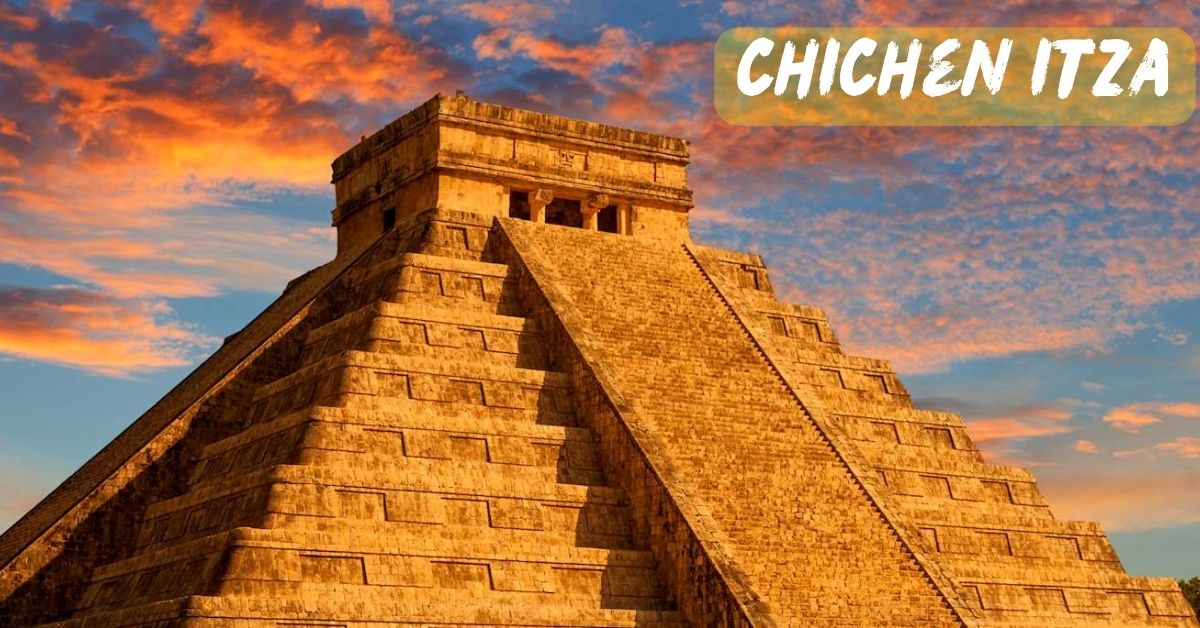
Chichen Itza is one of the most iconic and well-preserved archaeological sites in Mexico, representing the grandeur of the ancient Maya civilization. Located in the Yucatán Peninsula, this city flourished between the 7th and 10th centuries and has since captivated historians, archaeologists, and travelers from around the world. Its architectural marvels, astronomical alignments, and intricate carvings provide a deep insight into the life, religion, and advanced knowledge of the Maya people.
Historical Significance of Chichen Itza
Chichen Itza was a major hub of politics, culture, and commerce during its peak. The city’s influence extended across the Yucatán Peninsula, making it a central point for trade and cultural exchange. The name “Chichen Itza” translates to “At the mouth of the well of the Itza,” referring to the sacred cenotes that were vital for water supply and religious rituals. These cenotes were considered portals to the underworld by the Maya, highlighting the spiritual significance of the city.
Architectural Marvels of Chichen Itza
The architecture of Chichen Itza showcases the Maya’s extraordinary engineering skills. The most famous structure, El Castillo or the Temple of Kukulkan, is a step pyramid that demonstrates precise astronomical knowledge. Each of its four sides has 91 steps, totaling 365 when combined with the top platform, symbolizing the days of the solar year. The alignment of the pyramid during the equinoxes creates a fascinating shadow pattern resembling a serpent descending the staircase.
El Castillo: The Pyramid of Kukulkan
El Castillo stands as a testament to the Maya’s astronomical and mathematical mastery. The pyramid’s design aligns perfectly with the sun during the spring and autumn equinoxes, creating an optical illusion of a serpent slithering down its steps. This phenomenon, combined with the pyramid’s precise proportions, reflects the Maya’s sophisticated understanding of celestial events and their integration into religious practices.
The Great Ball Court
Chichen Itza houses the largest and most impressive ball court in Mesoamerica. Measuring 545 feet in length and 225 feet in width, this court hosted the Mesoamerican ballgame, which had both recreational and ritualistic purposes. The stone rings on the walls were used as goals for the game, and some evidence suggests that the matches may have been linked to human sacrifice, emphasizing the deep spiritual and cultural significance of the sport.
The Temple of the Warriors
The Temple of the Warriors is another remarkable structure at Chichen Itza, featuring rows of carved columns depicting warriors and deities. The temple complex also includes the Group of a Thousand Columns, which once supported a large roof and served as a gathering place for ceremonial events. This area illustrates the Maya’s intricate artistry and the importance of military and religious symbolism in their society.
Cenotes: Sacred Water Sources
Cenotes played a crucial role in the daily and spiritual life of the Maya at Chichen Itza. The Sacred Cenote, in particular, was used for offerings and sacrifices to the gods, especially to request rain and fertility. Artifacts such as gold, jade, pottery, and even human remains have been found in these cenotes, providing insight into the rituals and beliefs of the ancient civilization.
Astronomical Knowledge of the Maya
The Maya of Chichen Itza were renowned astronomers. They meticulously observed the movement of the sun, moon, and stars to create accurate calendars. The positioning of structures like El Castillo and the Caracol observatory demonstrates their ability to track celestial events. This knowledge influenced agricultural cycles, religious ceremonies, and civic planning, underscoring the integration of science and spirituality in Maya culture.
The Caracol Observatory
The Caracol, meaning “snail” in Spanish, is a circular structure believed to function as an astronomical observatory. Its windows and doors align with key astronomical events, such as solstices and the appearances of Venus. The Caracol highlights the Maya’s ability to merge architecture with their advanced understanding of the cosmos, enabling them to anticipate celestial patterns and integrate them into their rituals.
Mayan Art and Sculpture
Chichen Itza is adorned with detailed carvings, statues, and reliefs depicting gods, mythical creatures, and historical events. These artworks reveal the Maya’s rich mythology, social hierarchy, and daily life. From serpents and jaguars to warriors and priests, the iconography reflects both religious devotion and a sophisticated artistic tradition, offering visitors a vivid glimpse into ancient Maya civilization.
Influence of Toltec Culture
Around the 10th century, Chichen Itza experienced a cultural infusion from the Toltecs of central Mexico. This influence is evident in the presence of warrior motifs, feathered serpent imagery, and specific architectural styles such as the Temple of the Warriors. The fusion of Maya and Toltec traditions created a unique cultural blend that shaped the city’s identity and artistic expression.
Tourism at Chichen Itza
Today, Chichen Itza is one of Mexico’s most visited archaeological sites and a UNESCO World Heritage Site. Tourists are drawn to its monumental pyramids, sacred cenotes, and historical significance. The site offers guided tours, light and sound shows, and opportunities to witness the equinox serpent shadow at El Castillo, providing a deeply immersive cultural experience.
Preservation Efforts
The preservation of Chichen Itza is crucial for maintaining its historical and cultural legacy. Conservation projects focus on preventing erosion, controlling tourist impact, and restoring damaged structures. UNESCO, along with Mexican authorities, has implemented measures to protect the site while allowing public access, ensuring that future generations can appreciate the magnificence of the ancient Maya civilization.
Chichen Itza in Popular Culture
Chichen Itza has inspired countless books, documentaries, and films, cementing its status as a symbol of ancient mystery and achievement. Its architectural precision and cultural richness continue to captivate researchers and enthusiasts, making it a central figure in discussions about Mesoamerican history and ancient engineering marvels.
Visiting Tips and Recommendations
When visiting Chichen Itza, it’s best to arrive early to avoid crowds and the midday heat. Wearing comfortable shoes, carrying water, and hiring a knowledgeable guide enhances the experience. Exploring nearby cenotes and other Maya ruins can provide a broader understanding of the region’s historical significance and natural beauty.
Conclusion
Chichen Itza stands as a timeless testament to the ingenuity, artistry, and spiritual depth of the ancient Maya civilization. Its pyramids, temples, ball courts, and sacred cenotes offer a window into a sophisticated society that combined astronomy, architecture, religion, and art into a harmonious cultural expression. Visiting Chichen Itza is not just a journey through history but an encounter with the brilliance of human achievement across centuries.
FAQs
What is the best time to visit Chichen Itza?
The best time is during the early morning hours or the equinoxes to witness the serpent shadow on El Castillo. Dry season months, from November to April, are ideal for avoiding heavy rains.
Is there an entrance fee for Chichen Itza?
Yes, there is an entrance fee, which varies for international and local visitors. Additional fees may apply for guided tours or special events.
Can tourists enter the pyramids?
Currently, tourists are not allowed to climb the pyramids to preserve the structures, but they can explore surrounding areas and enjoy guided tours.
How long does it take to explore Chichen Itza?
A full tour can take 3–5 hours depending on the pace and interest in exploring nearby cenotes or other ruins.
What are cenotes and why are they important?
Cenotes are natural sinkholes filled with freshwater. They were vital for Maya survival, rituals, and offerings to the gods, reflecting the civilization’s spiritual connection to water.